
JCDecaux Reach today revealed new research, 'Representation in the Real World', in partnership with The Diversity Standards Collective, highlighting a significant gap, and opportunity, for brands in Out-of-Home (OOH) advertising.
The research shows that four in five disabled people rarely or never see themselves represented in OOH advertising (80%, compared to 72% across all media), despite strong engagement with the channel. Crucially, nine in 10 disabled people (91%) would be more likely to consider a brand if it included a disabled person or story in its OOH campaign. OOH advertising, demonstrating a clear commercial opportunity for brands that get representation right.
Disabled audiences are not only present in OOH environments, but are actively engaging with them. Over four in 10 people with physical disabilities (43%) and neurodiverse individuals (41%) see OOH advertising at least four times per week, compared with just 28% of non-disabled audiences. In addition, one in three disabled people report paying moderate or higher attention to OOH advertising, reinforcing the channel’s ability to capture attention at scale.
Together, these findings highlight a clear imbalance: high reach and attention, but low representation.
The opportunity for brands is significant. The collective spending power of disabled people and their households in the UK, known as the 'Purple Pound', is estimated at £274 billion annually, with some estimates as high as £446 billion when total household spending is considered.
Rich MilesBrands shouldn’t confuse putting someone in an ad with genuinely including them. Our research with JCDecaux shows that disabled people notice the difference between tokenism and representation grounded in real lived experience. They responded much more positively to normality, humour, joy and disabled people simply living their lives. The best way for brands to get that right is simple: bring disabled people into the process from the start, listen to their experiences and use that insight to create advertising that is more relevant and effective for everyone
CEO and Co-Founder, The Diversity Standards Collective
In addition to demonstrating the scale of OOH’s reach, the research shows that how disabled people are represented matters. Disabled audiences responded positively to representation grounded in lived experience, particularly when disability was shown as part of everyday life rather than treated as a standalone story. Importantly, this effect extends beyond disabled audiences, with 74% of non-disabled respondents also more likely to consider brands that include disabled people in OOH campaigns, creating a powerful halo effect.
Thanh CatachanasBrands that actively address accessibility, prioritise natural pause points, and diversify their representation have a real opportunity to win the hearts and minds of all consumers. OOH advertising exists in shared, everyday environments and should reflect the communities it reaches. This research shows that authentic representation isn’t just the right thing to do, it’s a proven driver of engagement and growth.
Director, JCDecaux Reach
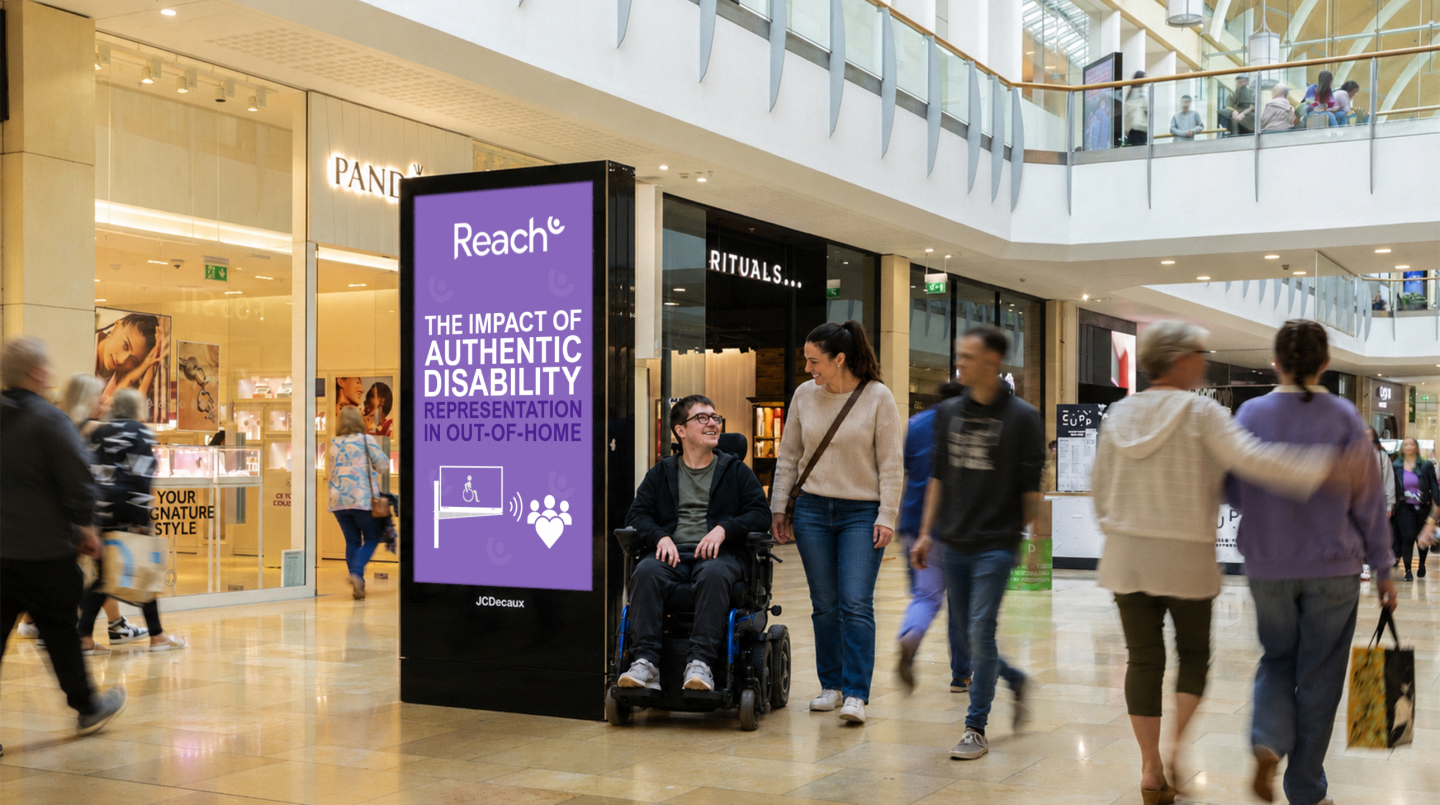
The research also outlines clear steps for brands looking to get this right. To connect with disabled audiences effectively, brands should focus on three key principles:
Prioritise authenticity over tokenism – representation must be grounded in real lived experience
Design for accessibility from the outset – campaigns should be easy to read, navigate and engage with in real-world environments
Reflect the diversity of disabled experiences – moving beyond a single stereotype to show disability as part of everyday life.
Together, these approaches help ensure campaigns are not only inclusive, but more effective for all audiences.
JCDecaux has also developed a methodology to help brands put these insights into action. Using publicly available data, JCDecaux has identified the most accessible OOH environments across its UK network digital and classic sites. Combined with best-practice guidance on creative and planning, this enables brands and agencies to deliver campaigns that are both inclusive and effective, helping to close the representation gap.
JCDecaux Reach is the company’s programme dedicated to helping brands connect with diverse and underrepresented audiences through Out-of-Home advertising. By combining community insight, creative best practice and data-led planning, Reach enables brands to deliver campaigns that are both more inclusive and more effective.
Download the full research report here: Representation in the Real World | JCDecaux UK