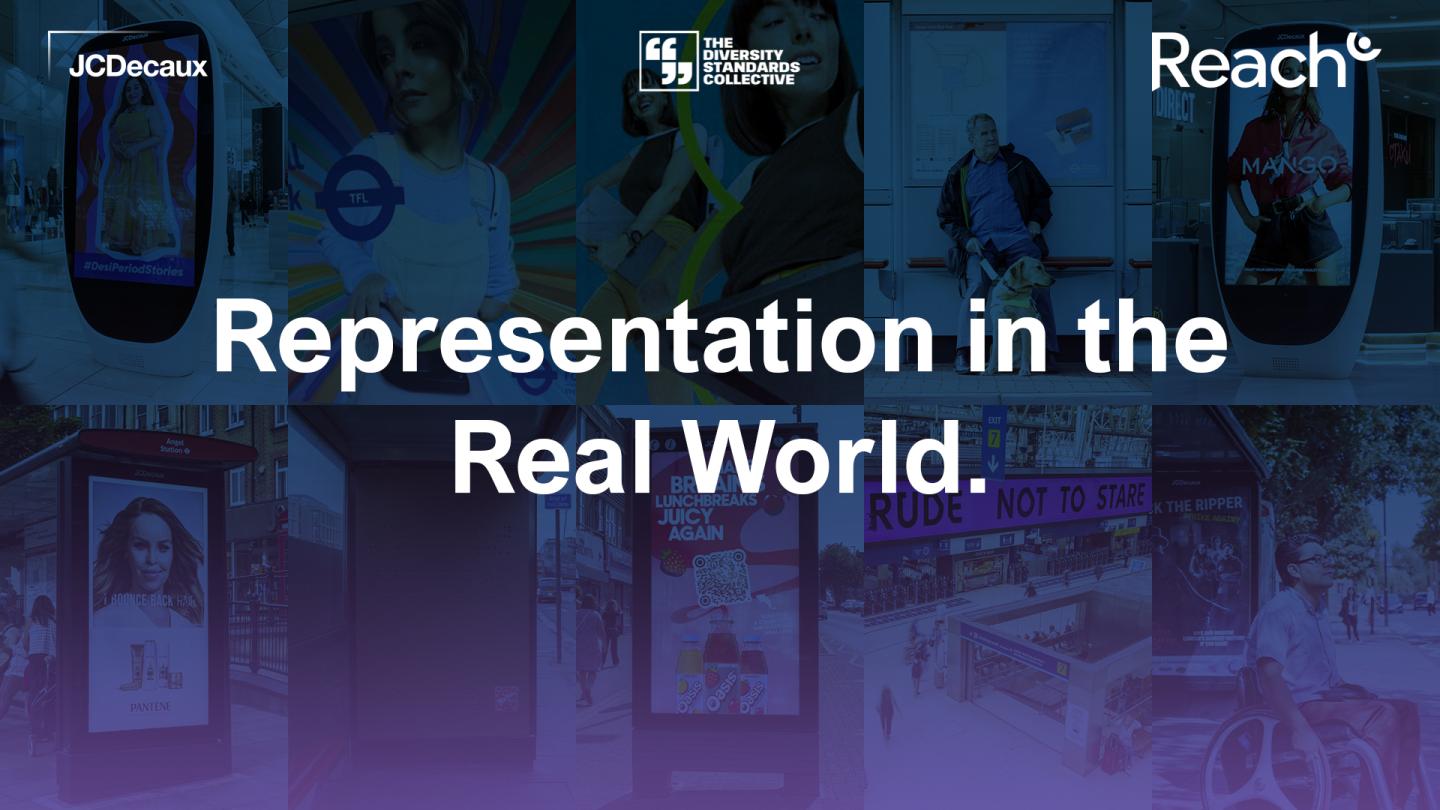
How we did it
Rich MilesBrands shouldn’t confuse putting someone in an ad with genuinely including them. Our research with JCDecaux shows that disabled people notice the difference between tokenism and representation grounded in real lived experience. The best way for brands to get it right is simple: bring disabled people into the process from the start, listen to their experiences and use that insight to create advertising that is more relevant and effective for everyone
CEO and Co-Founder, The Diversity Standards Collective
What we discovered
High reach. High attention. Huge untapped opportunity.
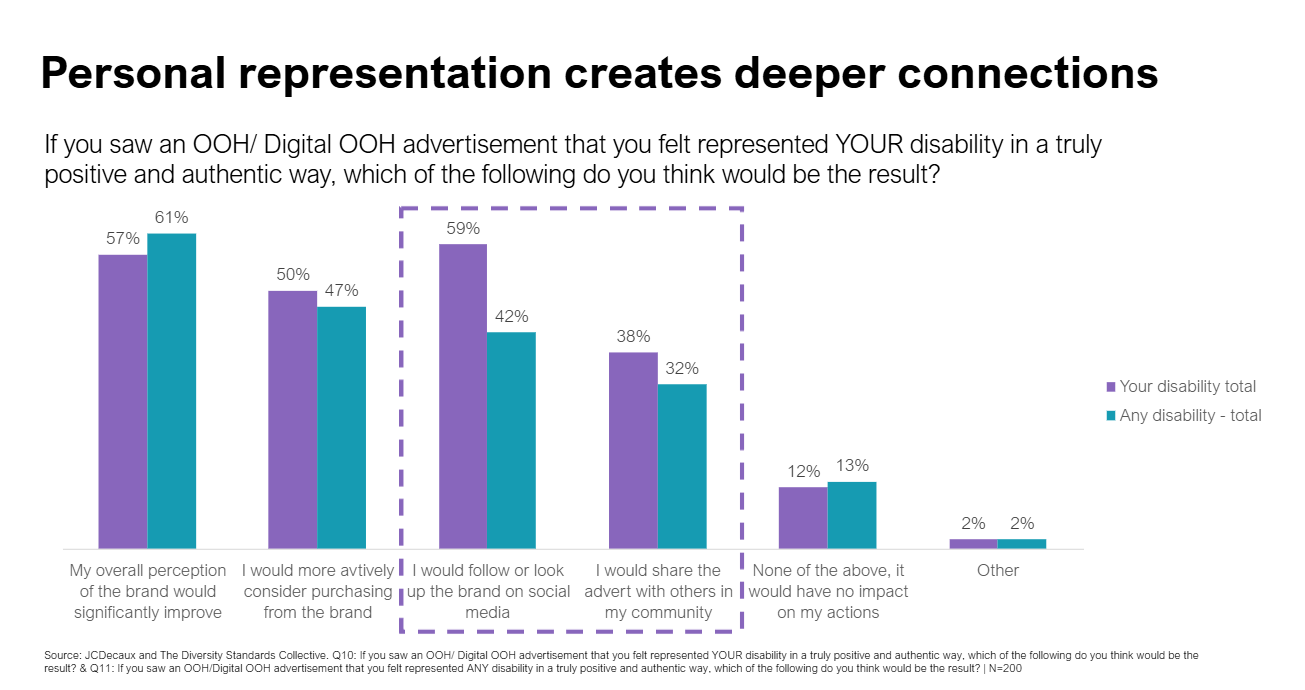
Disabled audiences are engaging with OOH – but they’re not seeing themselves represented in it. The research also found that authentic representation matters. Disabled audiences respond more positively to representation that feels genuine, reflects everyday life and moves beyond stereotypes and tokenism.
4 in 5
disabled people are exposed to OOH at least once a week (81% vs 72% of non-disabled audiences).
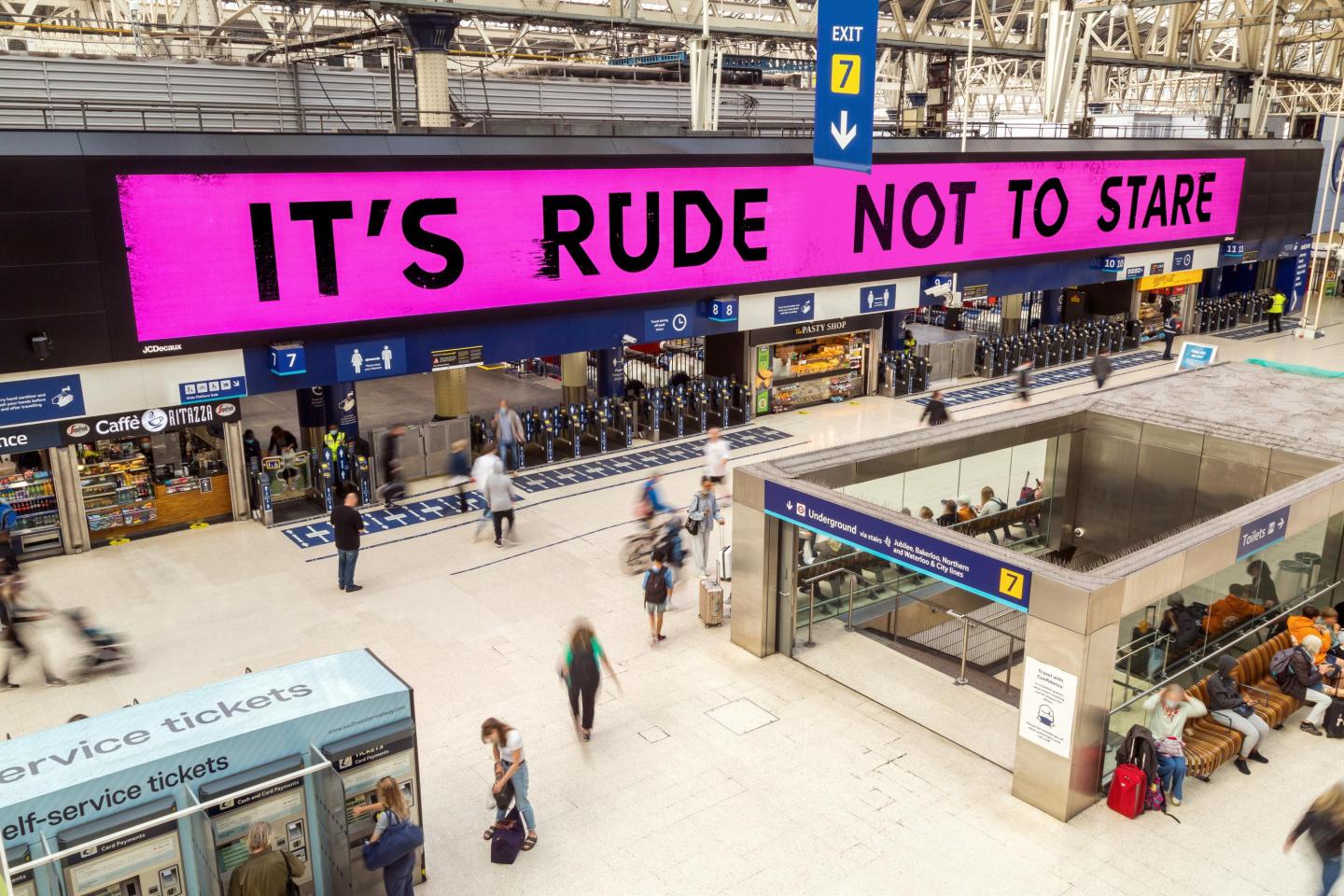
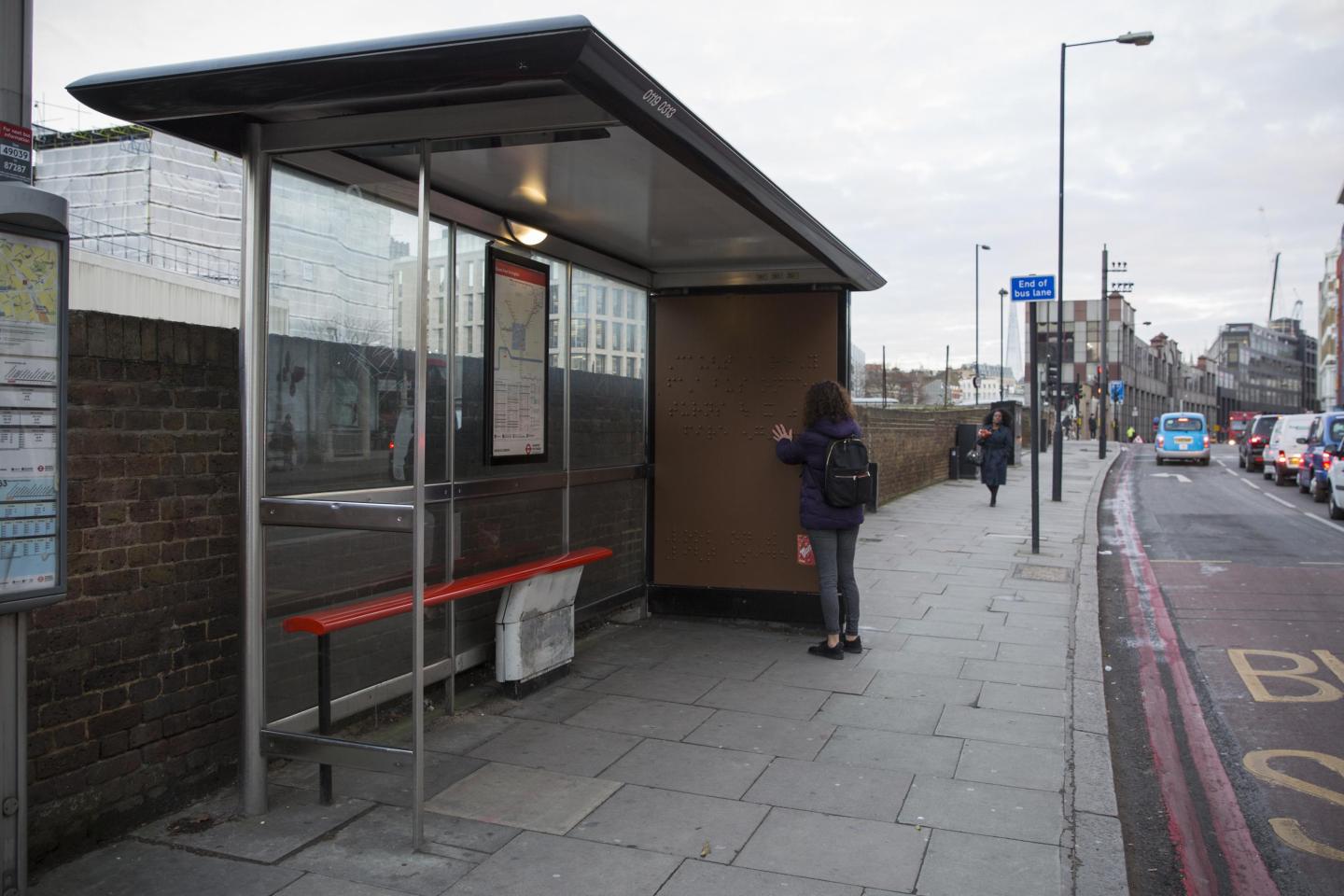
Nearly 1 in 2
pay a moderate or higher amount of attention to OOH
4 in 5
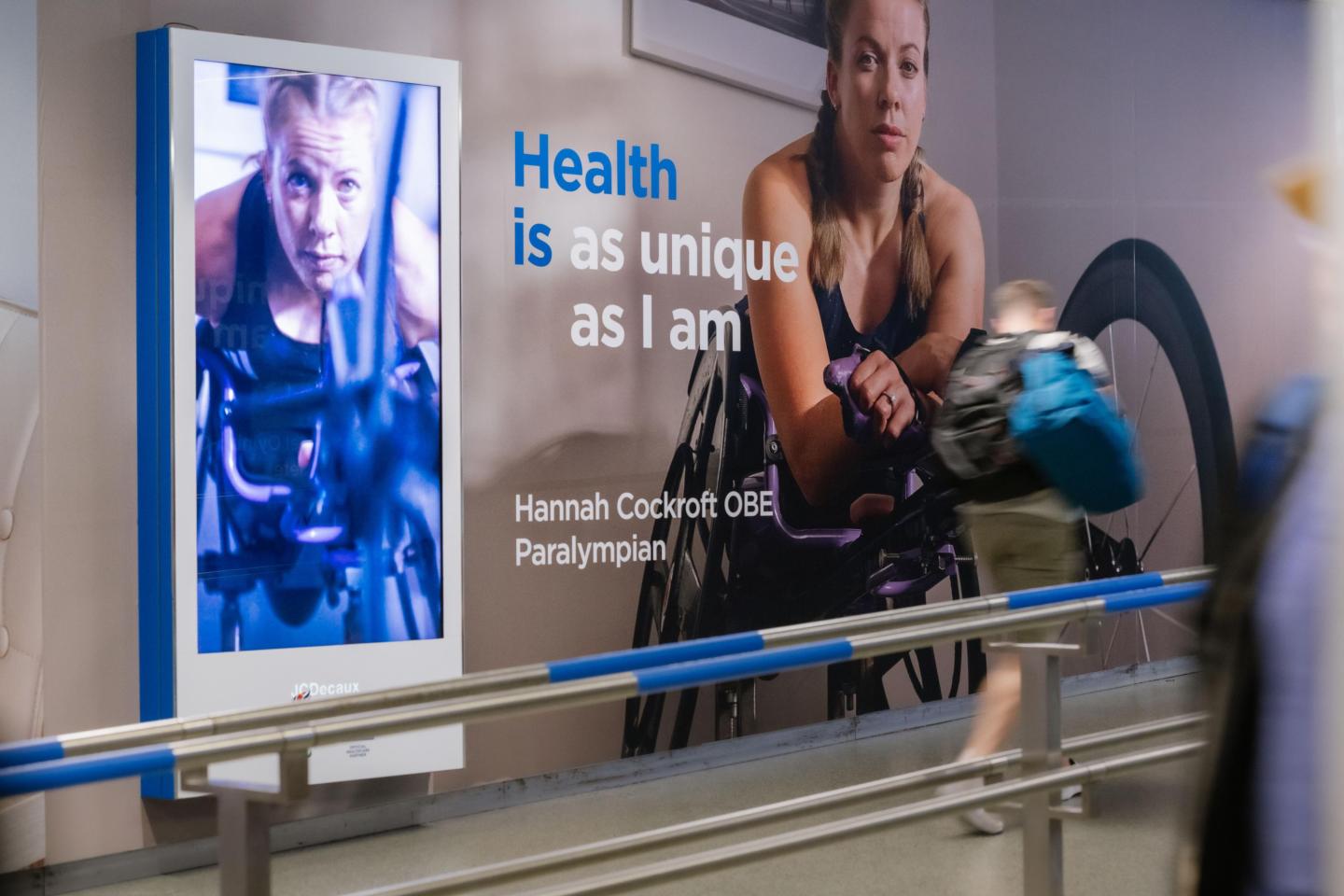
disabled people rarely or never see disabled people represented in OOH advertising (80%).
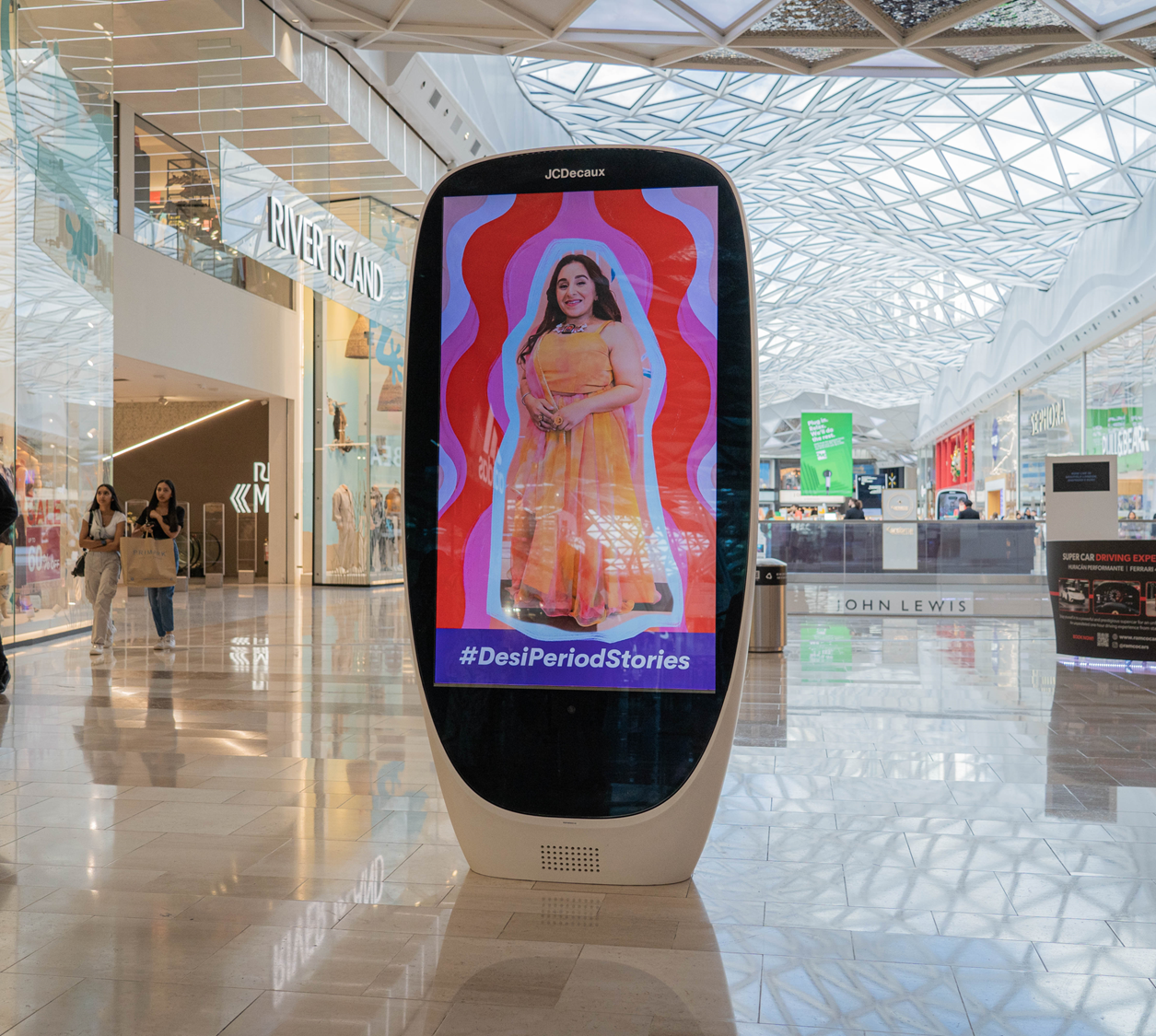
9 in 10
disabled people (91%) would be more likely to consider a brand if it included a disabled person or story in its OOH campaign.
DSC Disability Collective MemberGreat representation does not focus on the disability but includes disability regardless of the script. The person could easily be able bodied or able minded, disability is secondary to the scene but included because inclusion matters. Brands should try to include diverse disabilities because it shows care and integrity, not because they want to tick a diversity box.
How we can help advertisers
From the findings, we’ve created the Representation in the Real World Advertiser Guide, with 10 practical recommendations to help brands and agencies create more accessible and authentically representative OOH campaigns.
JCDecaux and The Diversity Standards Collective can also help brands put the findings into practice through accessible OOH planning, community workshops and creative testing, alongside JCDecaux’s creative testing tools.
To find out more about the tools available, please get in touch with thanh.catachanas@jcdecaux.com.