Menu

Brand fame and mass reach

As a public, mass-reach medium, Out-of-Home reaches over 97% of the UK each week, with digital Out-of-Home delivering 4.8bn impressions each week.*

As other media continue to fragment, Out-of-Home reaches the mass audiences that brands need, when people are once again out shopping, socialising and commuting.

Pentland's results clearly demonstrate the impact of adding Out Of Home advertising to the media mix. We saw saw marked uplifts in awareness and consideration in London and Manchester where OOH was live. Together, these results show how targeted OOH advertising can both stimulate online demand and strengthen brand metrics across the funnel.

Jamie Irving

Senior VP Digital Marketing, Pentland

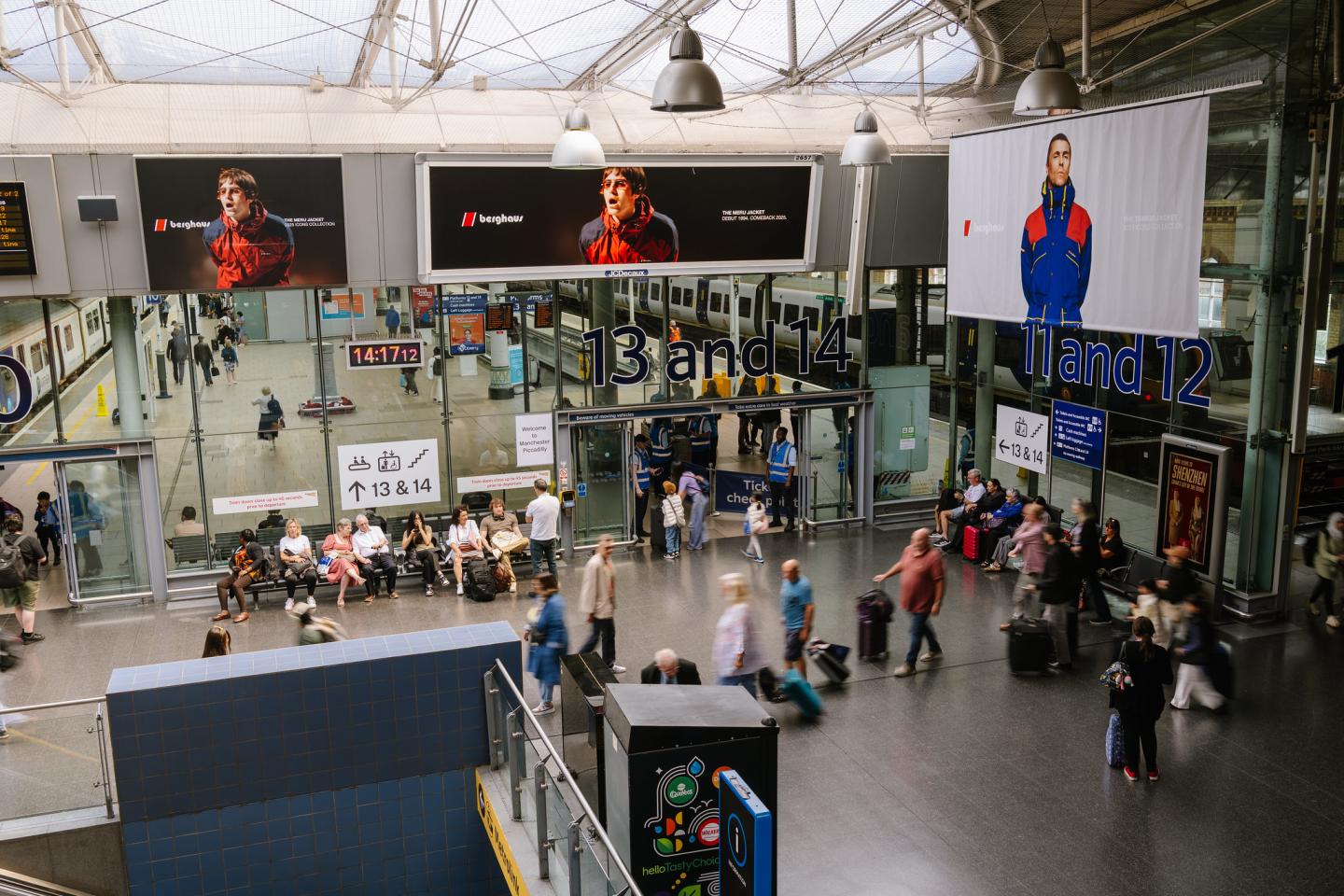
A Berghaus Out-of-Home advertising campaign displayed in the Manchester Piccadilly station concourse.

Building brands

Out-of-Home advertising is used by many of the world’s most valuable and fastest-growing companies for brand development. With Out-of-Home's new digital and programmatic capabilities, brands can drive important metrics across the marketing funnel, such as awareness and sales, with OOH ad campaigns that reach the right audiences in the right locations, in the real world.

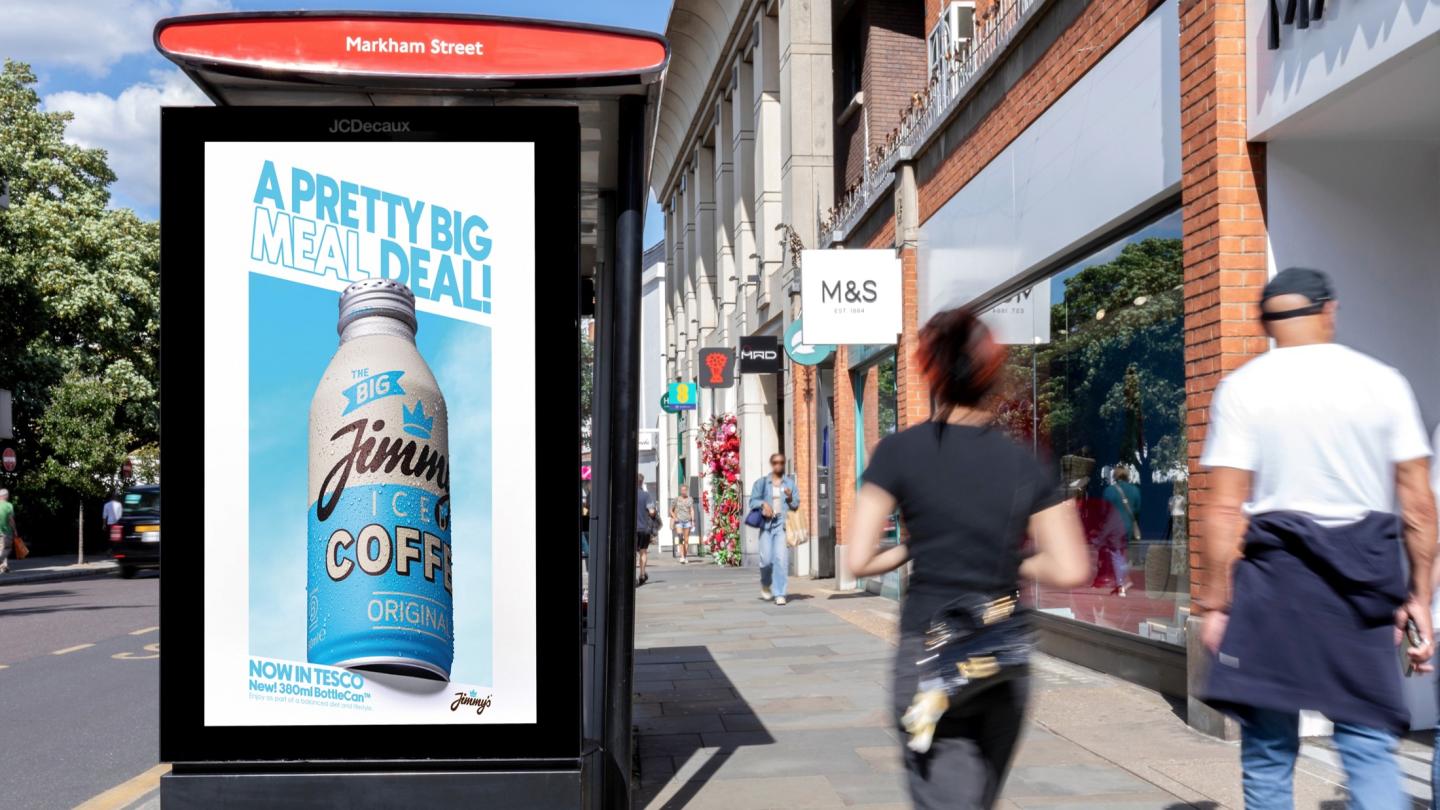
A Digital Out-of-Home advertising campaign from Jimmy's Iced Coffee displayed on a bus shelter in London

"Our goal was to connect with people in their everyday routines—like the morning commute—and Out-of-Home delivered that physical presence. The Out-of-Home campaign exceeded our expectations, driving a 12% sales uplift and helping us reach our audience in a meaningful way.”
 

Brand Manager

Jimmy's Iced Coffee

Targeted and flexible to reach your audience


What is Digital Out-of-Home (DOOH)? 

DOOH is any Out-of-Home advertising that is shown on a digital screen instead of a traditional paper poster or billboard. Combined with the big reach of standard OOH, Digital Out-of-Home gives way to capabilities such as ad campaigns with subtle motion and video, programmatic buying, and precise measurement of campaigns.

What are the benefits of Digital Out-of-Home?

Through digital scheduling, advertisers are able to target specific areas, times and contexts with Out-of-Home. Layered audience data can be integrated directly with the activation of DOOH campaigns to reach specific segments that are fine-tuned to whomever the advertiser wants to reach. This digital activity can therefore be optimised to see further Return on Investment (ROI) from OOH campaigns.

What is Programmatic DOOH?

By virtue of being a digital channel, DOOH can also be bought programmatically. Similar to paid social and search campaigns, this is a method for advertisers to buy OOH ad space through an automated online platform, which allows for an even greater level of flexibility, including:

  • Dynamic and reactive creatives that respond to triggers such as time of day, location, sporting event scores, ,weather, audience movement, and retail footfall.
  • Real-time measurement and optimisation of DOOH campaigns while they are running
  • The ability for advertisers to pause their campaign with the click of a button


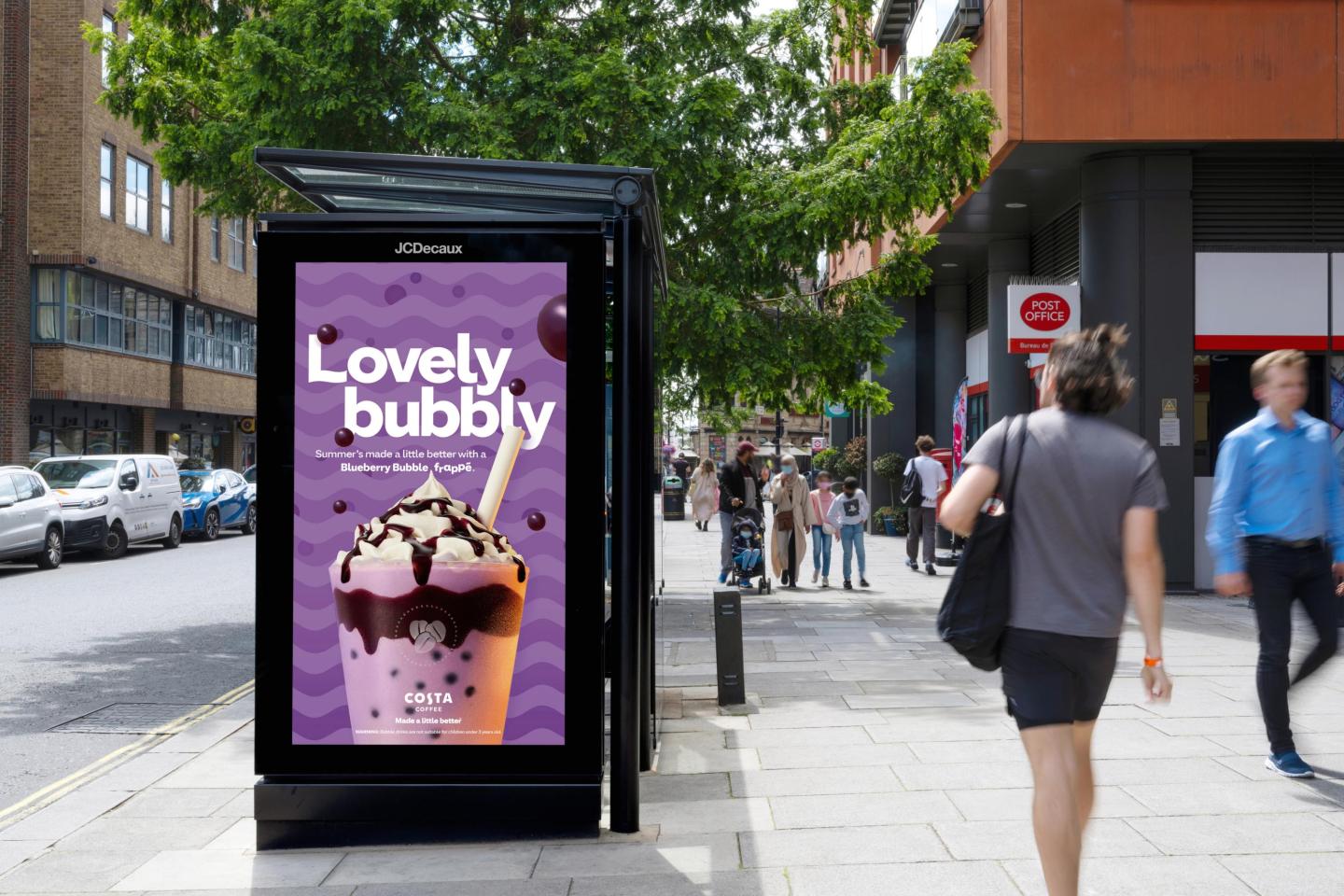
A Digital Out-of-Home advertising billboard from Costa displayed on a bus shelter in London

Programmatic digital Out-of-Home played an instrumental role in this omnichannel campaign...we reached a precise audience with contextually relevant ads across the best-performing OOH environments. Because we activated this campaign programmatically, using data triggers and optimised the creative for maximum relevance, we know that we achieved the best possible results for Costa.

Senior Associate Director

EssenceMediacom

Data excellence

JCDecaux is proud to partner with Route, which provides gold standard audience data for Out-of-Home - telling us where and when audiences travel. 

Using our full data stack, our Digital Out-of-Home advertising network is powered by Route data combined with additional sources, including mobile spend data, attitudinal data from YouGov, and the clients’ own data to plan and measure and evaluate campaigns.

specsavers bus shelter advertising

The Public screen makes the Private screen work harder

Out-of-Home drives all levels of metrics in the brand funnel, from awareness to consideration to conversion and makes the private screen work harder too.

When King.com used Out-of-Home and Social Media for video game app Candy Crush, awareness increased 1.3 times, consideration doubled and download intent increased 1.4 times, by combining public and private marketing.

This multiplier effect was shown in Facebook’s ‘Better Together’ insight that found for Danone, a combined approach grew sales by 6% and results were 13% higher than expected.

With the widespread use of smartphones, the high visibility of Out-of-Home goes hand-in-hand with actions on digital channels such as Social Media. Through the research, we found that using a combination of the two channels extends the reach of campaigns to a broader and younger audience and helps advertisers more efficiently reach their objectives.

A Facebook spokesperson

The Public screen is trusted

Constantly seen in the public eye, Out-of-Home advertising is part of our daily lives in the environments that we travel through every day, and has been for decades.

This means that as a channel, OOH is highly trusted and well regarded by its audience; the ‘P² + C = 6’ report reveals that the combination of public and private marketing, brings a ‘halo effect’, thanks to trust in the public screen.

This trust is also transferred to the brands that launch OOH campaigns. From 'The Moment for Trust' insight, we know that 81% of people say that trust in a brand influences their purchase choice. 

jcdecaux rail advertising pension bee billboard

Brand trust is today’s most important consumer relationship, especially when it comes to a financial product like a pension. It not only convinces customers to sign up or buy a product, but it is also the key ingredient to brand retention…. certain marketing channels, such as Out-of-Home, lend themselves better to build trust because consumers see it as brands making a public commitment. It creates brand fame and familiarity - once you've seen us on a billboard or TV screen, you're more likely to click on a targeted Social Media ad from us and move all your pensions across. That’s why at Pension Bee, we’re increasingly optimising our marketing campaigns by including a mixture of public and private media, with channels like Out-of-Home used to build trust, broaden who we reach, and ultimately, help accelerate our customer growth.

Jasper Martens

Chief Marketing Officer, PensionBee

What are the benefits of Out-of-Home?

Out-of-home advertising is one of the most effective ways to build brands at scale and drive results from digital channels. In the UK, Out-of-Home reaches over 97% of the population each week, giving brands unrivalled national coverage and cultural visibility. Digital Out-of-Home alone delivers 4.8 billion impressions weekly, providing the reach and effectiveness needed to grow brand awareness, consideration and sales.

Out-of-Home is now a powerful brand-building and activation channel used by many of the world’s best brands. Thanks to new digital capabilities and investment in high-quality digital screens backed by data, advertisers can:

  • Target the right audience at the right moment – use data to focus spend where and when it has the most impact, based on location, time of day, audience behaviour or context.
  • Increase flexibility and responsiveness – update creative in near real time, run dynamic campaigns and optimise messaging across different environments and formats.
  • Enhance campaign effectiveness across channels – Out-of-home makes other digital marketing channels like paid search and social work harder, boosting recall, click-through and conversion when people later see your brand online. JCDecaux UK’s “Two-Screen Effect” research shows how the combination of Out-of-Home and mobile delivers stronger performance than either channel alone.
How effective are billboards compared to digital advertising?

Rather than competing, billboards and online digital channels work best together. Out-of-home and billboards can prime audiences in the real world, so that paid search, social and online video perform better when they later see or seek out your brand on their devices. This combination improves ad recall, click-through rates and conversion, making both channels more efficient and effective.

When people encounter a bold, creative billboard on their daily commute, it creates instant impact and builds trust in a way that an online ad often cannot. That’s why billboard advertising works so well as a foundation for your wider media mix.

Key reasons why billboard advertising and Out-of-home works:

  • Guaranteed visibility: Billboards and Out-of-Home occupy prominent, real world locations that people can’t scroll past or block.
  • Mass reach and repetition: Out-of-home advertising delivers continuous exposure to large audiences, reinforcing brand messages over time.
  • Brand fame and credibility: Appearing on a high-profile billboard signals scale and confidence, helping brands stand out from purely online competitors.
  • Synergy with digital: Billboards drive search queries, social engagement and website visits, amplifying the ROI of digital campaigns.

Learn more about Out-of-Home on our Marketing Hub


Explore the latest advertising trends, research techniques and brand case studies on the JCDecaux Marketing Hub.


Use downloadable slides to build your case for additional marketing investment.

Source: *Route 51; **BrandZ ‘Advertising effectiveness, the long and the short of it’