
The best advertising does more than reach people. It makes them feel something, gives them a reason to remember a brand and encourages them to act. In the real world, those connections happen in the places where everyday life unfolds – on the journey to work, while shopping, travelling to see family or when meeting friends.
But the value of real-world advertising goes beyond the campaign. It helps brands earn attention, while the paid advertising behind it supports services and investment in the places people live and work. Commercial effectiveness and public benefit are two connected parts of the same story.
That is the thinking behind Real World Media, our vision for Out-of-Home advertising. It combines national scale and a visible presence in everyday life with the creativity and relevance our medium can provide. Its strength lies not simply in being seen, but in becoming part of the world people experience together.
Attention is a useful starting point for understanding that strength. Our research found that bus shelter advertising received 25% more attention than the other digital channels studied. Separate research found that mobile ads received 52% more attention when people had first been exposed to real-world media.
Attention alone is not proof of sales or long-term growth. But these findings make an important point; real-world media can earn attention in its own right – and help other advertising work harder. This is not about choosing between the physical and digital worlds. It is about understanding how they can work better together.
Creative execution gives that attention meaning. Whether it is Nike’s ‘Just Do It’ message or The Economist’s clever wordplay, a strong idea can turn a passing encounter into something memorable. Humour, empathy and a shared cultural reference can all help a brand connect with people, rather than simply interrupt them.
A real-world presence can also make a brand feel more established and credible. In research informing our positioning, agencies, marketers and members of the public highlighted the importance of real-world connections. Two comments captured this clearly – seeing a brand in the real world “makes the brand feel bigger. They must be a serious company” and “seeing a brand online and in real life makes it more believable”.
There is another reason this presence matters. The places where advertising appears are also the places people rely on. A bus shelter is not just an advertising location; it provides shelter while people wait to travel. Paid advertising helps provide useful infrastructure, connecting the needs of advertisers with a practical service for the public.
For JCDecaux, that means thinking about more than the advertising space. It means investing in well-designed products that serve people as well as brands and contributing to the quality of the spaces we help shape. The public benefit is not separate from the commercial model. Advertising investment helps make it possible.
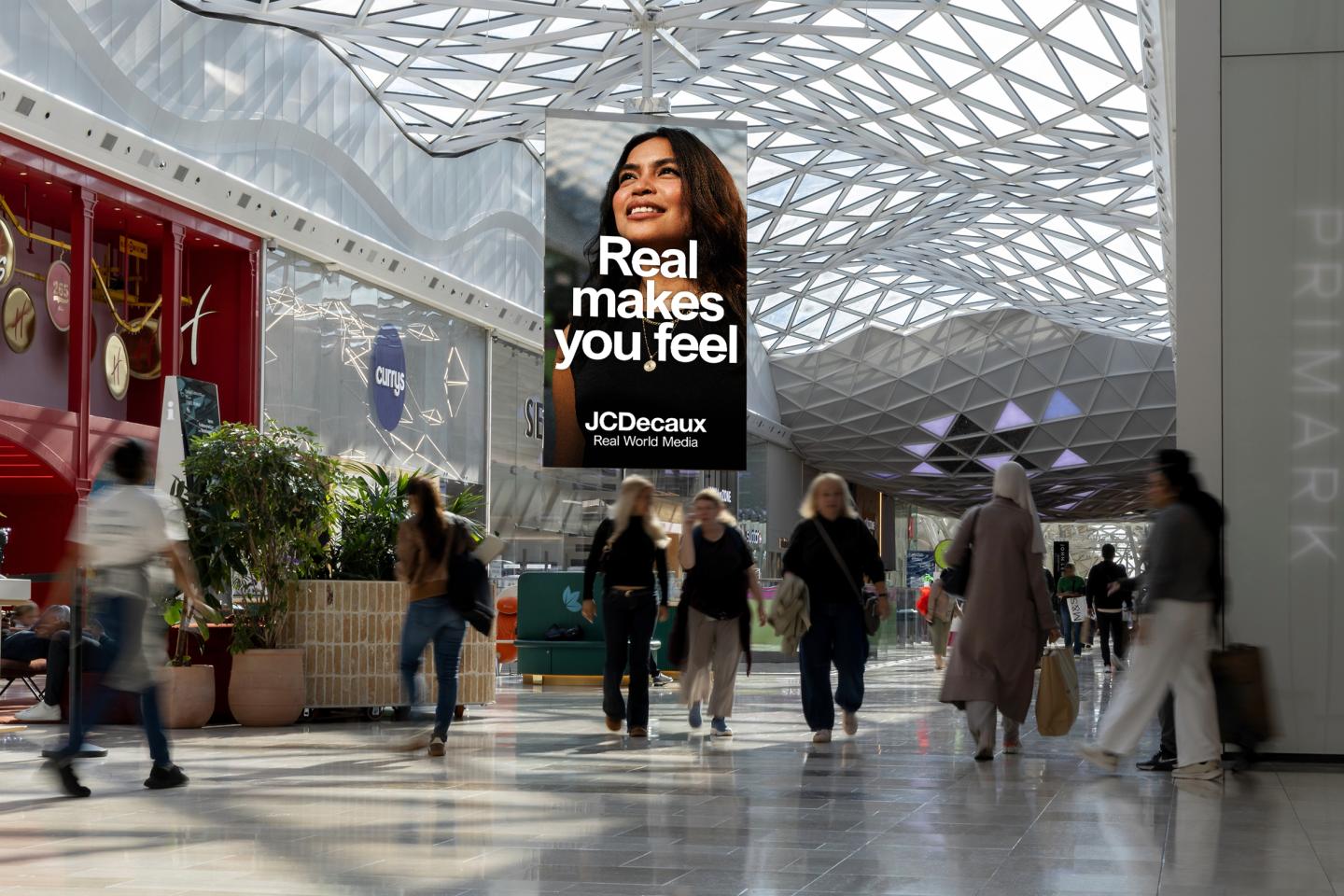
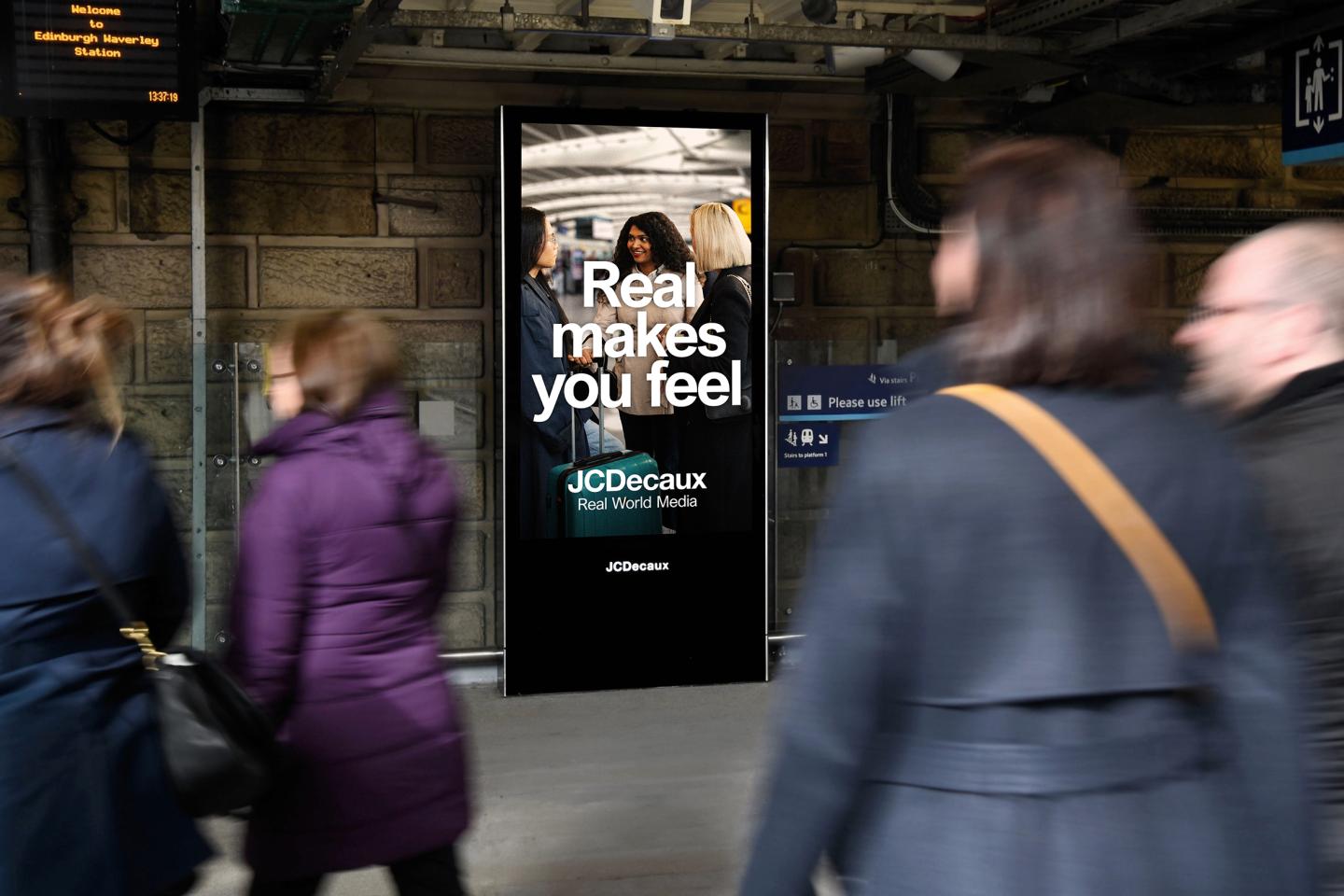
Our first-ever Out-of-Home brand advertising campaign brings this vision to life. Running on screens across the UK, ‘Real makes you feel’ celebrates the connection between what people see and how they feel. It uses the medium itself to demonstrate the creative possibilities of showing up in the real world.
Ultimately, real-world media should be judged by what it delivers – for the brands that invest in it and for the communities in which it operates. It can earn attention, strengthen a brand’s presence and make other channels work harder. Through the paid advertising that funds it, it can also support useful services and investment in public spaces.
That is the ambition behind Real World Media: advertising that works harder for brands and gives something back to everyday life.