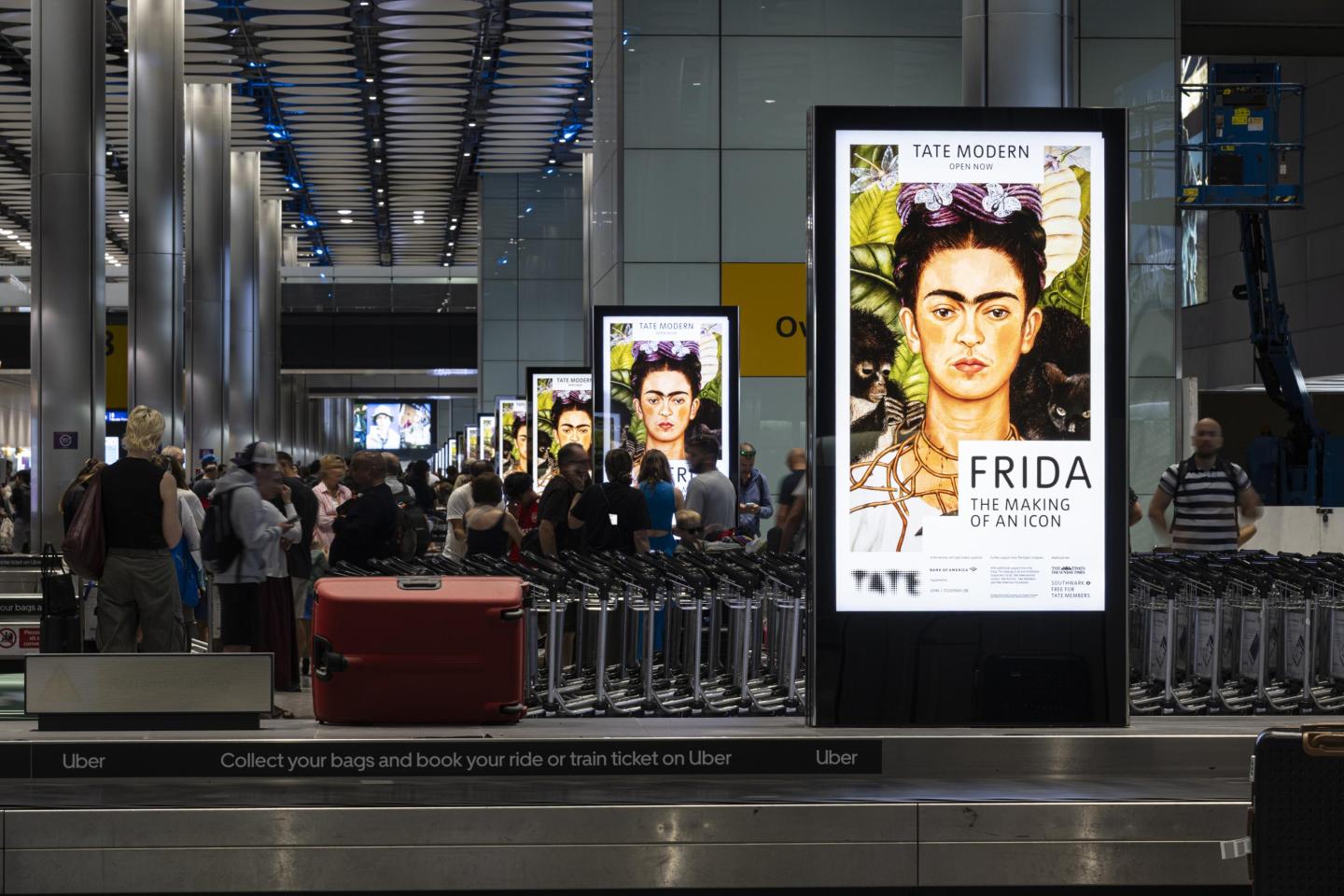
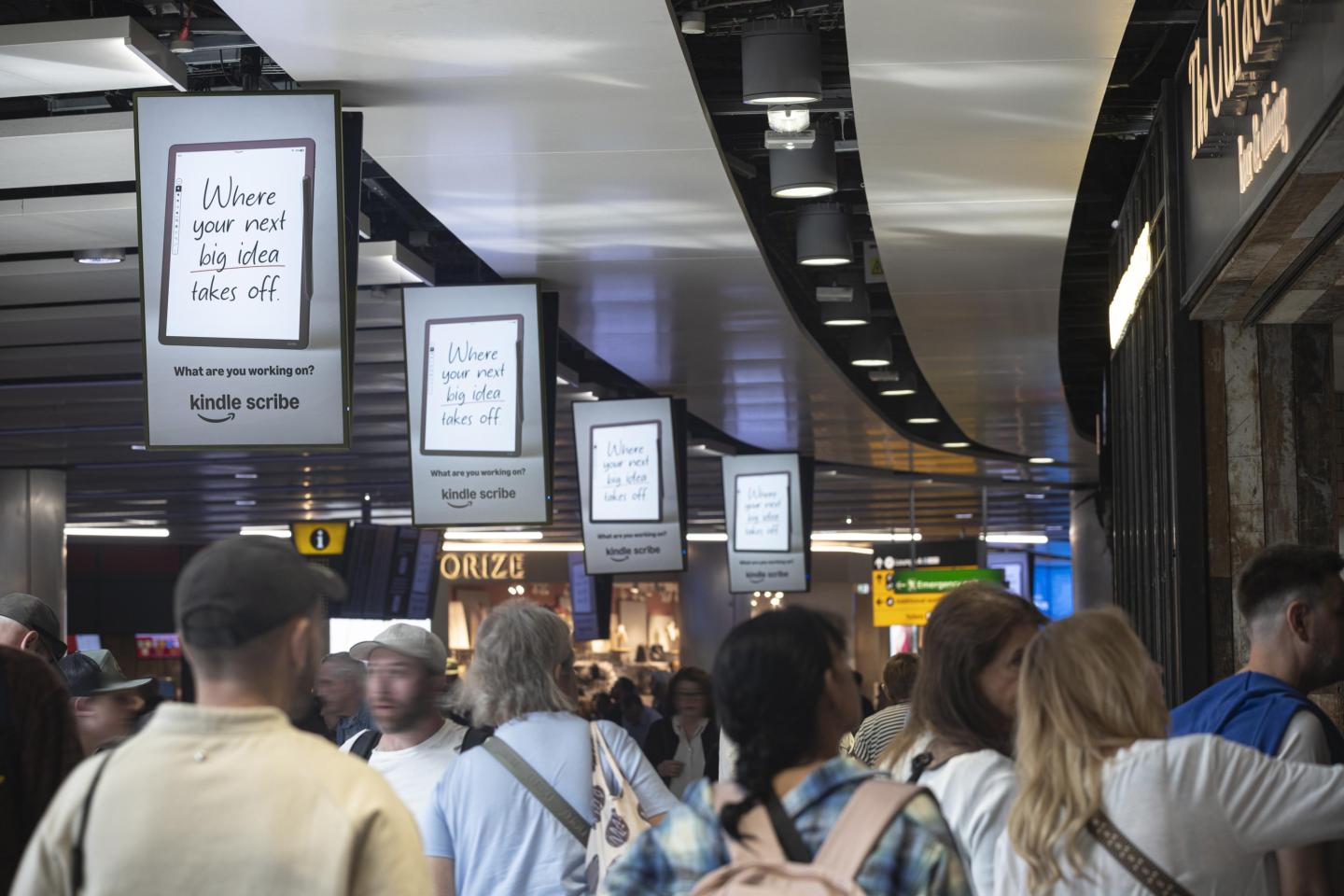
On a recent business trip flying through London Heathrow airport, I clocked just how many world class brands I encountered before stepping onto the plane. Not just within the fantastic Out-of-Home advertising sites (I would say that) but also across Heathrow’s award-winning retail offering – with each brand I saw triggering familiar feelings of belonging, purpose and trust in its quality. At a time when so much advertising is designed to disappear into our personalised feeds, airports present brands with something increasingly rare – a scaled, visible, meaningful presence in the real world.
I think this matters because the foundations of competitive advantage are changing.
Global brand consultancy, Interbrand, has just published its Best Global Brands of 2026, and its core observation is that AI is making business capabilities easier to access, faster to replicate and harder to protect. Intelligence is becoming ubiquitous. Competencies that once differentiated businesses are becoming easier to achieve and increasingly abundant. I’m reminded of Syndrome’s villainous quote in our favourite family movie The Incredibles – “and when everyone’s super…no-one will be”. If technology allows every organisation to become faster and more capable, proficiency alone will not create lasting difference between brands.
But there is hope. Interbrand suggests that what remains invaluable is wisdom –knowing what to stand for, which decisions to make and when to refuse opportunities.
In this way, Interbrand describes philosophy as the new competitive moat and brand as the place in which it is seen. It argues that brand can no longer simply be a logo, campaign platform or set of guidelines but rather must become an organisation’s constitution – the principles that its employees, customers and investors can recognise and value. In this world view, philosophy should lead and competencies then serve it.
But a philosophy cannot build value if it remains inside a strategy document. It needs to be made visible and must be believable. Interbrand describes how philosophy manifests within identifiers, structures, experiences and ecosystems. The most resilient businesses will be those that can turn their philosophy into something customers can intuitively identify, understand, remember and believe. As such, today’s ‘brand moats’ cannot rely on product differentiation, but instead must be built from achieving recognition, meaning, trust and preference of their philosophies through repeated, consistent delivery.
This is where real-world advertising becomes particularly powerful.
Real-world, Out-of-Home advertising allows brands to bring several of these dimensions together. Real-world media is a literal, physical manifestation of a brand’s distinctive identifiers. It can offer repeated exposures across customer journeys to reinforce messaging, or create shared, impactful moments that turn communication into experience.
Within real-world media, few environments bring these qualities together more powerfully than Airports.
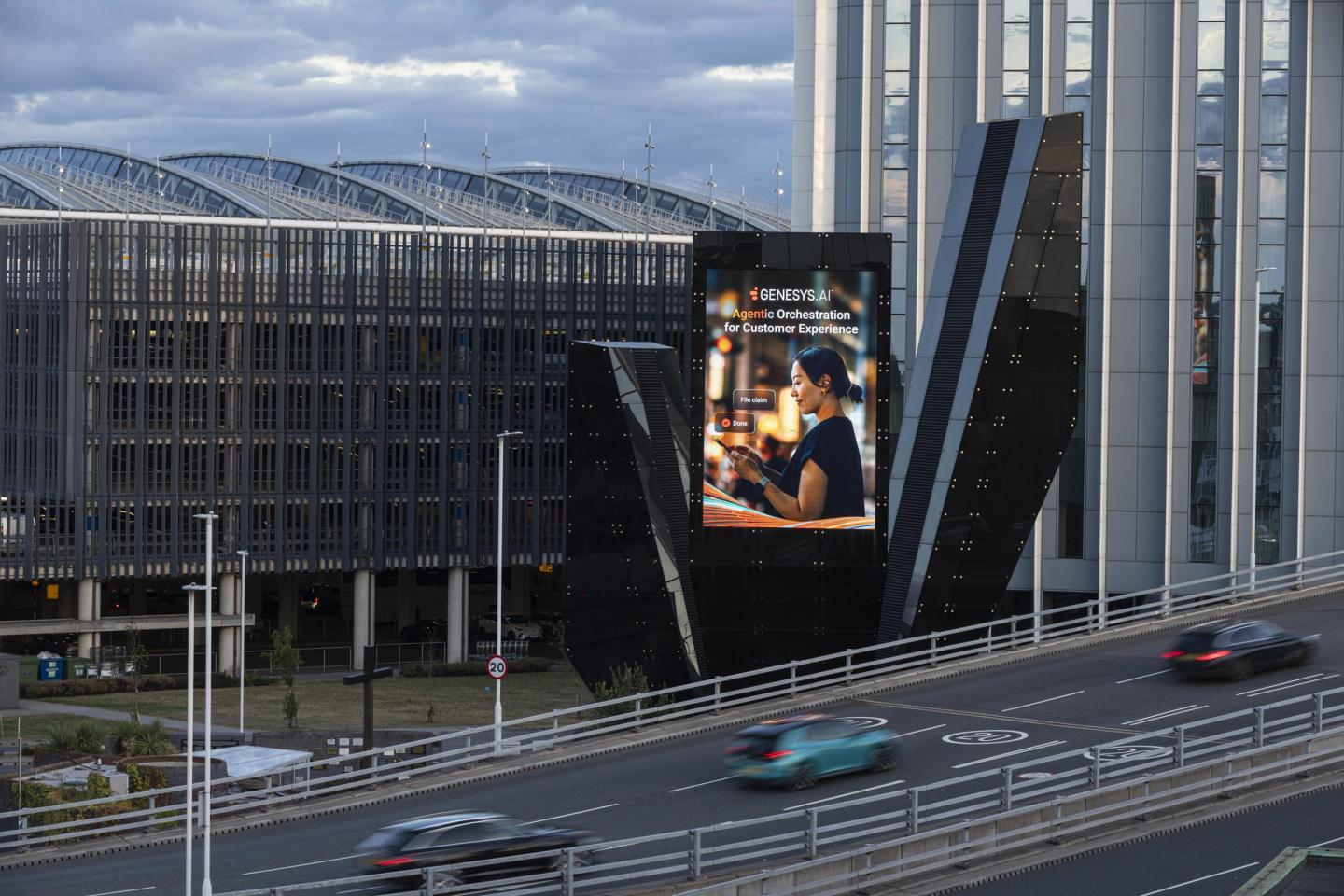
Airport advertising can reassure travellers on arrival or offer familiarity when landing in a foreign country. It can enhance brand associations at key moments, convert shoppers within duty free and turn dwell time into action. Time and time again research studies show that airport advertising aggregates attention, drives brand values, and delivers on the business effects that companies value.
For instance, in a recent study with Lumen and Tobii we found that airport advertising campaigns can generate an enormous 72% spontaneous brand recall, deliver significant uplifts in brand perceptions and increase brand preference. These findings align with how we should think about the brand moat of today – one that is built through consistent and repeated delivery of a brand’s philosophy.
Interbrand argues that “trust is delivery, repeated”. If a brand’s promise is expressed consistently within real human journeys (such as through an airport) it becomes easier for people to recognise and recall.
This is perhaps why so many of the world’s most valuable brands choose airport advertising within their marketing mix. We analysed Interbrand’s current top 100 and identified that more than half have advertised at Heathrow in recent years, and over three-quarters have featured in JCDecaux’s airports across the globe.
AI is helping organisations optimise messages, audiences and decisions. But optimisation is not the same as wisdom, and efficiency does not create an enduring difference.
Competitive advantage will depend increasingly on what a business believes and how consistently it acts. Advertising cannot create that philosophy, but real-world media can make it visible and recognisable. Airports are particularly powerful environments because they combine scale, attention, experience and cultural significance within millions of shared real-world journeys.
It's why I believe real-world advertising helps build the world’s best brands, and why airports remain where the world’s best brands take off.